Contact Landscape Gal
3343 Union Lake Trl, Northfield, MN 55057
Monday–Friday, 7:30am – 5:30pm
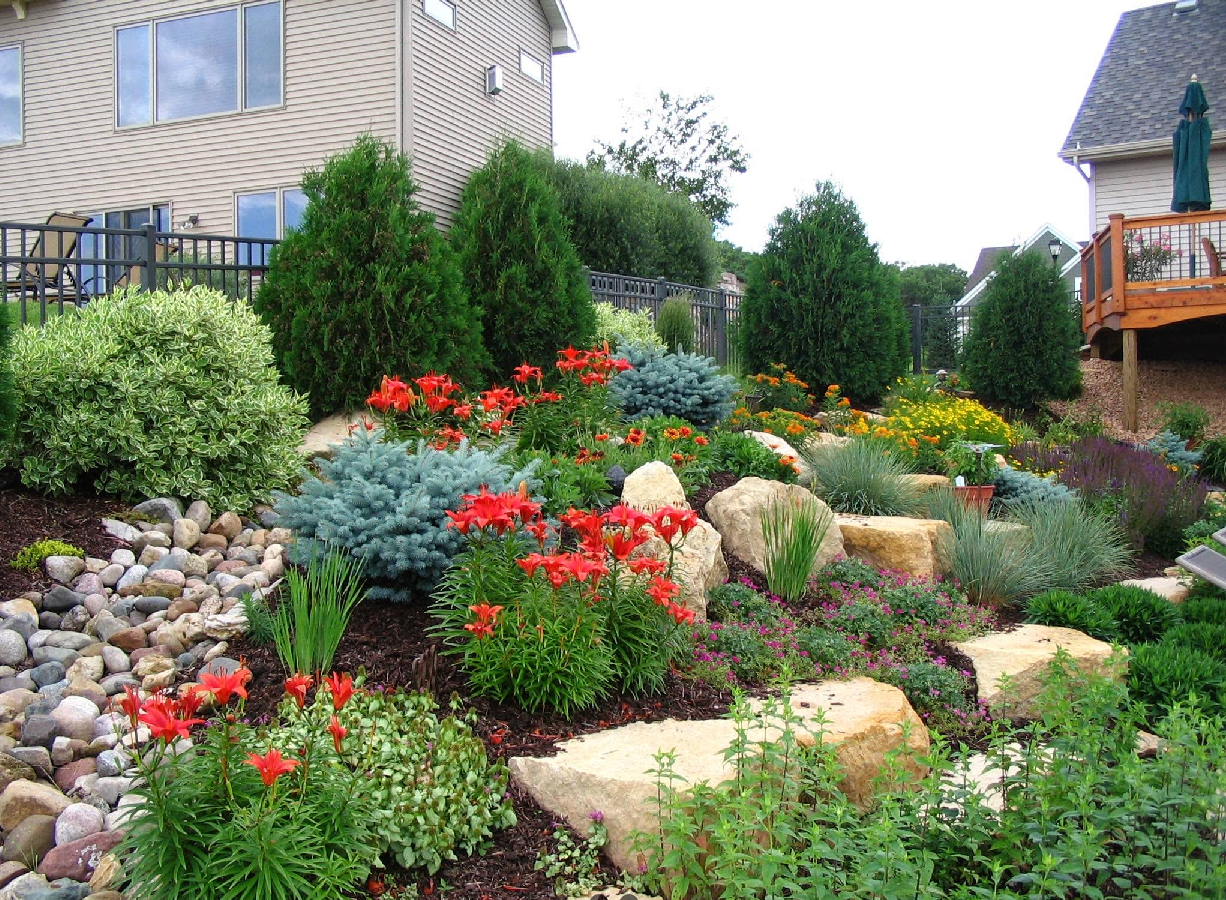
Rain Gardens in Minnesota: Beautiful & Eco-Friendly Water Management
In Minnesota, where heavy rain and snowmelt can lead to flooding, runoff, and erosion, finding effective ways to manage water is essential. Fortunately, there is a solution that combines functionality, sustainability, and natural beauty—the rain garden.
At Landscape Gal, we design and install rain gardens that capture stormwater, reduce drainage issues, and add colorful, low-maintenance beauty to your yard. These gardens are not just decorative; they are engineered systems that improve soil health, protect waterways, and create thriving habitats for native plants and pollinators.
Whether you want to fix a soggy yard or enhance your property’s eco-friendly appeal, a rain garden can be one of the most impactful additions you make.
What Is a Rain Garden?
A
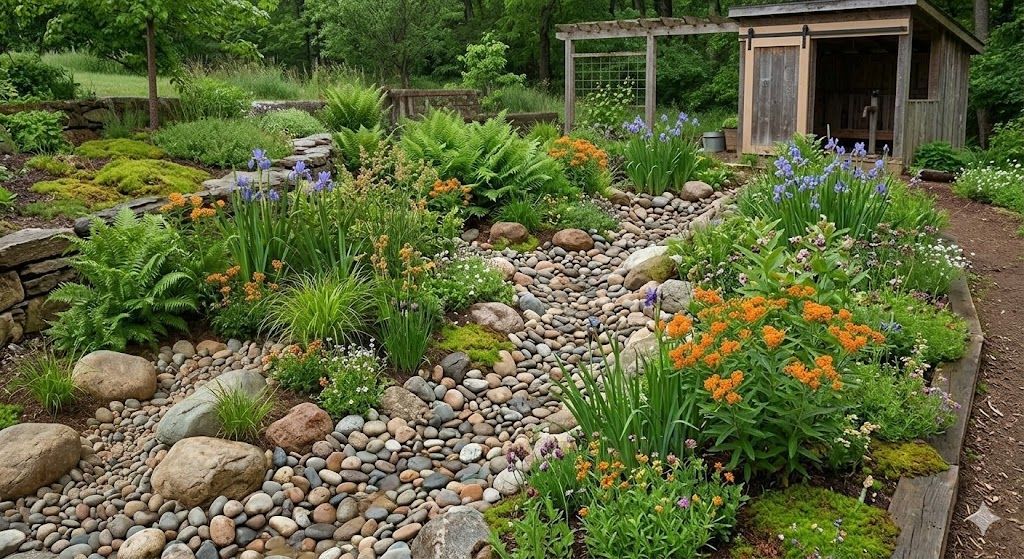
rain garden is a shallow, landscaped depression designed to collect runoff from roofs, driveways, patios, and lawns. Instead of letting rainwater rush into storm drains or pool in your yard, it filters through layers of soil, sand, and plants—naturally cleansing the water before it returns to the ground.
Key components of a rain garden include:
- Depression or basin: Where water temporarily collects.
- Engineered soil mix: Promotes infiltration and prevents compaction.
- Native plants: Deep-rooted species that absorb and filter water.
- Overflow outlet: Directs excess water safely away during heavy storms.
Properly designed rain gardens drain within 24 to 48 hours after rainfall, so they never become mosquito breeding grounds.
Why Rain Gardens Are Perfect for Minnesota
Minnesota’s combination of wet springs, intense summer storms, and freeze-thaw cycles makes water management a constant challenge. Traditional drainage systems often move water too quickly, leading to erosion or pollution downstream. Rain gardens, on the other hand, manage stormwater where it falls—right in your yard.
Benefits specific to Minnesota include:
- Flood prevention: Absorbs runoff during spring thaw and rainstorms.
- Pollution reduction: Filters out chemicals, oils, and sediment before they reach rivers and lakes.
- Groundwater recharge: Allows water to soak back into the soil naturally.
- Climate resilience: Adapts to both wet and dry conditions.
- Wildlife support: Attracts butterflies, bees, and birds.
A rain garden isn’t just environmentally smart—it’s an investment in a healthier, more sustainable property.
How a Rain Garden Solves Common Yard Problems
Homeowners across Northfield and Rice County face recurring drainage issues, especially in low-lying or compacted soil areas. A rain garden can effectively address:
- Standing water after storms
- Erosion from roof or driveway runoff
- Soggy lawns near downspouts
- Bare patches of soil where grass won’t grow
By capturing and absorbing water naturally, rain gardens turn these problem areas into attractive, low-maintenance features.
The Rain Garden Design Process
Designing a rain garden requires more than digging a hole and planting flowers. It’s a precise process that blends hydrology, soil science, and aesthetics.
At
Landscape Gal, we follow a proven design method tailored to each property:
Step 1: Site Evaluation
We assess soil type, slope, and drainage patterns to determine the best location—typically near downspouts, driveways, or natural low spots.
Step 2: Sizing and Shaping
The garden is sized based on how much runoff it needs to handle. Typical rain gardens are 4 to 8 inches deep with gently sloped sides for safety and accessibility.
Step 3: Soil Preparation
We remove compacted soil and replace it with a specialized mix of sand, compost, and topsoil to promote rapid drainage.
Step 4: Plant Selection
Native plants are chosen for their deep root systems and seasonal beauty. These species tolerate both flooding and drought.
Step 5: Installation and Finishing
After shaping and planting, we add mulch to protect roots and reduce erosion, and create an overflow outlet for extreme weather events.
The result is a self-sustaining, functional garden that looks as beautiful as it is practical.
Best Plants for Minnesota Rain Gardens
Plant choice is one of the most important elements of a successful rain garden. Native species are ideal because they are adapted to local soils, climate, and rainfall patterns.
Recommended Minnesota rain garden plants include:
Grasses and Sedges:
- Blue joint grass (Calamagrostis canadensis)
- Fox sedge (Carex vulpinoidea)
- Switchgrass (Panicum virgatum)
Flowering Perennials:
- Black-eyed Susan (Rudbeckia hirta)
- Purple coneflower (Echinacea purpurea)
- Joe Pye weed (Eutrochium maculatum)
- Blue flag iris (Iris versicolor)
- Swamp milkweed (Asclepias incarnata)
Shrubs:
- Red twig dogwood (Cornus sericea)
- Ninebark (Physocarpus opulifolius)
- Elderberry (Sambucus canadensis)
These plants add year-round color while supporting pollinators and local wildlife.
Maintenance and Long-Term Care
Rain gardens are designed to be low-maintenance once established, but the first year is important for plant and soil stabilization.
Maintenance Tips:
- Water regularly during the first growing season.
- Remove weeds until native plants fill in.
- Refresh mulch annually to prevent erosion.
- Inspect the overflow outlet after heavy rains.
- Cut back dead growth in late fall or early spring.
After the first year, your rain garden will largely take care of itself, needing only occasional weeding or thinning.
The Environmental Benefits of Rain Gardens
Rain gardens not only enhance your property but also play a role in improving the larger ecosystem.
1. Cleaner Waterways:
By filtering pollutants before runoff enters storm drains, rain gardens help protect rivers, lakes, and wetlands.
2. Reduced Flooding:
By capturing thousands of gallons of stormwater annually, rain gardens relieve stress on municipal storm systems.
3. Habitat Creation:
They provide food and shelter for pollinators, birds, and beneficial insects.
4. Climate Adaptation:
Rain gardens store carbon in plant roots and soil, making them part of climate resilience efforts in Minnesota.
When you install a rain garden, you contribute to a cleaner, greener community.
Integrating Rain Gardens into Landscape Design
At
Landscape Gal, we design rain gardens to fit seamlessly within your overall landscape. They can be:
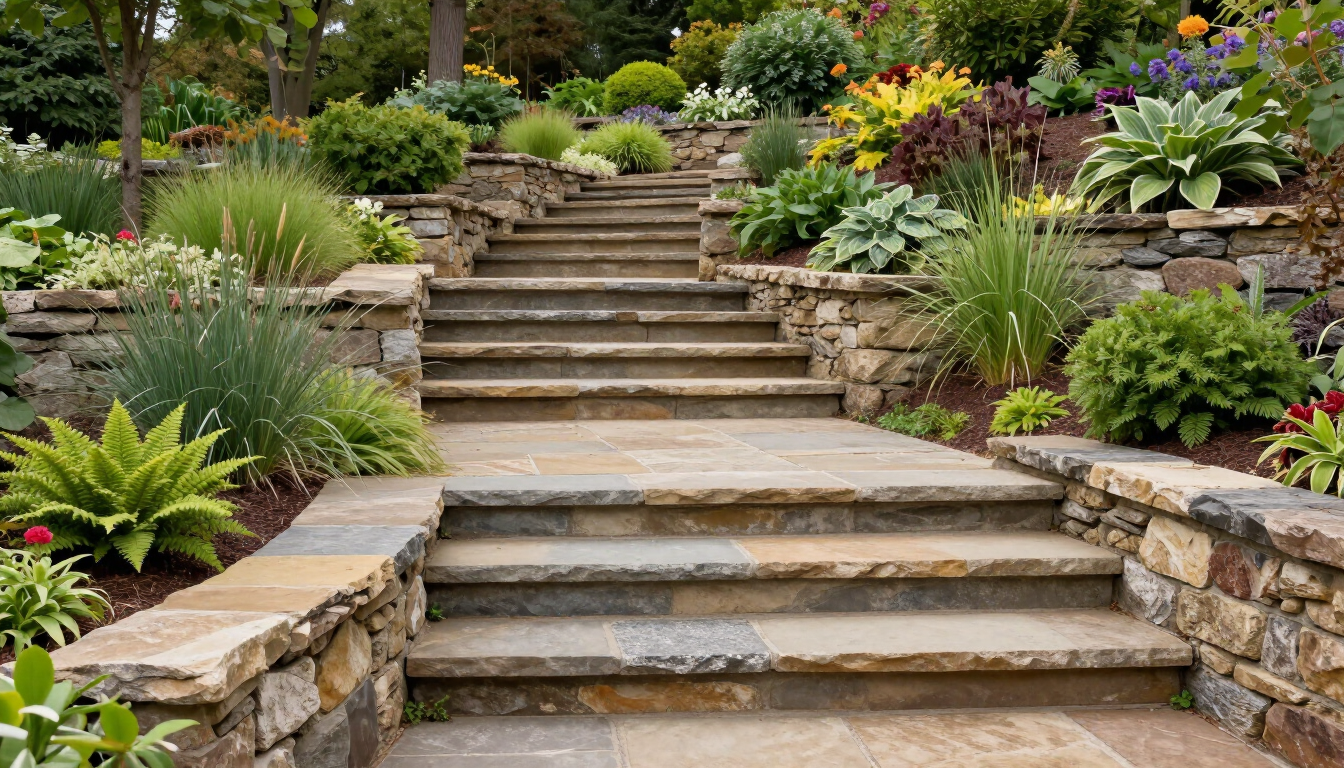
- Integrated with
retaining walls or boulder outcroppings for visual contrast.
- Placed near
patios or walkways to manage runoff naturally.
- Combined with
drainage systems for complete water control.
- Framed with decorative
natural stone edging for definition.
Each garden is unique, reflecting both your property’s needs and your personal aesthetic.
FAQs About Rain Gardens in Minnesota
Do rain gardens attract mosquitoes?
No. Properly designed rain gardens drain within 48 hours, long before mosquitoes can breed.
How much water can a rain garden handle?
A typical 100-square-foot rain garden can absorb more than 1,000 gallons of water during a single storm.
Can a rain garden survive drought?
Yes. Native plants tolerate both wet and dry conditions once established.
Will a rain garden work in clay soil?
Yes, but the soil must be amended with sand and compost for better drainage—something Landscape Gal handles during installation.
How much does a rain garden cost?
Most residential rain gardens range from $2,000 to $6,000 depending on size and complexity.
Why Choose Landscape Gal for Rain Garden Design
As a Northfield-based landscape design company serving
Rice County and the southern Twin Cities metro,
Landscape Gal brings both technical expertise and artistic vision to every project.
Our
solution-based design philosophy means every rain garden we build is engineered for performance and beauty. We handle all aspects of design and installation, including:
- Site assessment and grading
- Drainage and soil preparation
- Native plant selection
- Integration with existing landscaping
- Long-term functionality testing
Each garden we install is a living example of sustainable design that enhances property value and environmental health.
Create a Beautiful, Functional Rain Garden with Landscape Gal
If your yard struggles with drainage issues or you simply want to add a sustainable, low-maintenance feature, a custom rain garden may be the perfect solution.
Contact
Landscape Gal today to schedule a consultation and explore eco-friendly water management options for your home.
Call
(612) 366-3477 or visit
https://www.landscapegal.com to learn more.
Serving Northfield, Rice County, and the southern Twin Cities metro area.
Recent Posts