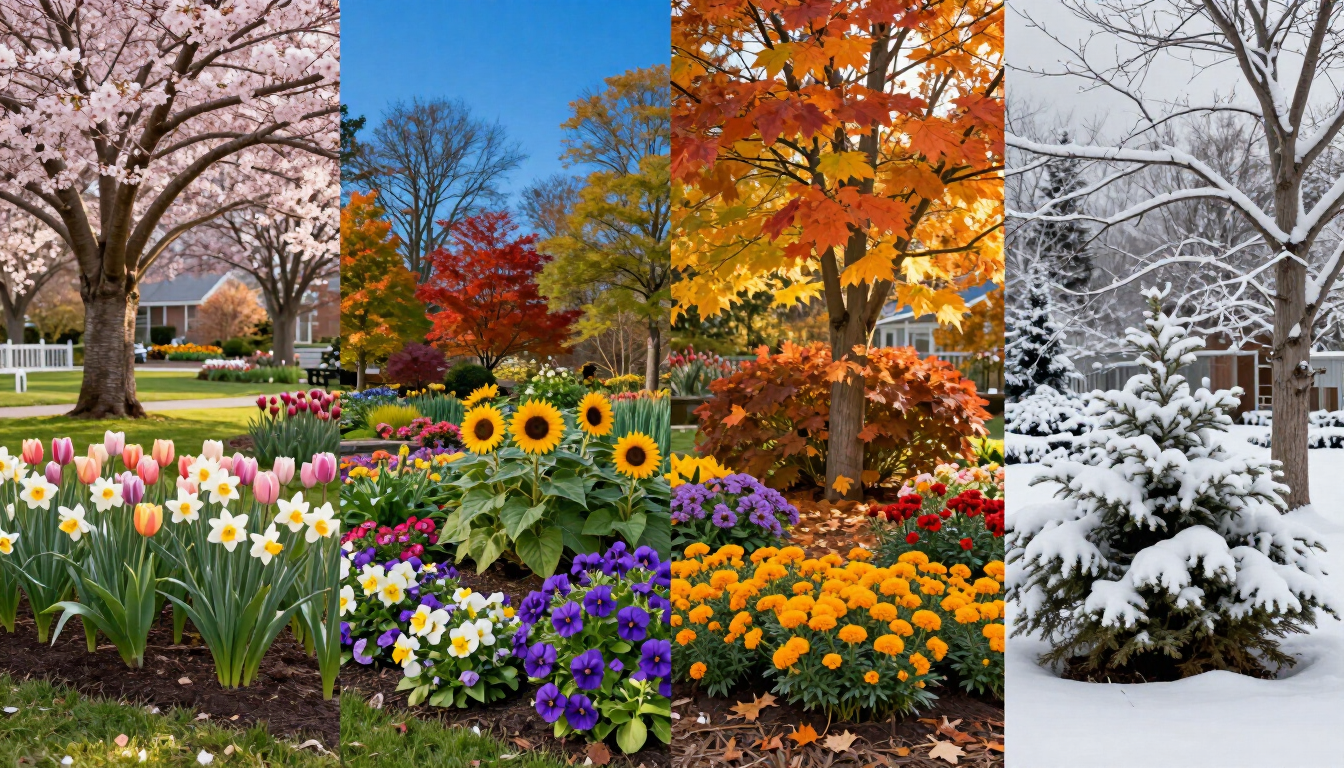
Xeriscaping in Minnesota: Water-Wise Landscaping for Sustainable Beauty
Creating Beautiful Landscapes While Conserving Water

As homeowners become increasingly mindful of sustainability and resource conservation, xeriscaping has emerged as a practical and environmentally responsible approach to landscape design. While often associated with arid regions, xeriscaping is equally valuable in Minnesota. By emphasizing water efficiency, resilient plant choices, and thoughtful design, this landscaping method creates stunning outdoor spaces that require minimal maintenance and fewer resources.
At Landscape Gal, we specialize in solution-based landscape design tailored to the unique climate of Northfield, Rice County, and the southern Twin Cities metro area. Xeriscaping aligns perfectly with our philosophy—delivering landscapes that are both beautiful and functional while promoting environmental stewardship. Whether you are looking to reduce water usage, simplify maintenance, or create a sustainable outdoor environment, xeriscaping offers a smart and stylish solution.
Understanding Xeriscaping
The term “xeriscaping” originates from the Greek word “xeros,” meaning dry. However, xeriscaping does not mean eliminating water or relying solely on desert plants. Instead, it focuses on designing landscapes that use water efficiently through strategic planning, appropriate plant selection, and soil improvements.
A successful xeriscape incorporates seven core principles:
- Thoughtful planning and design
- Soil analysis and preparation
- Efficient irrigation systems
- Use of drought-tolerant and native plants
- Mulching to retain moisture
- Practical turf reduction
- Proper maintenance practices
These principles work together to create sustainable landscapes that thrive in Minnesota’s variable climate.
Why Xeriscaping Works in Minnesota
Although Minnesota receives moderate rainfall, seasonal droughts, rising water costs, and environmental concerns make water-efficient landscaping increasingly important. Xeriscaping provides numerous benefits for homeowners seeking a more sustainable approach to outdoor design.
Key advantages include:
- Reduced water consumption and utility costs
- Lower maintenance requirements
- Increased resilience to drought and climate variability
- Enhanced property value and curb appeal
- Improved soil health and erosion control
- Support for pollinators and local ecosystems
- Environmentally responsible landscaping practices
By incorporating drought-tolerant plants and efficient irrigation systems, xeriscaping ensures lasting beauty with minimal environmental impact.
Planning and Designing a Xeriscape
Effective xeriscaping begins with thoughtful planning. A well-designed layout considers the natural characteristics of your property, including soil type, sun exposure, slope, and drainage patterns.
Essential design steps include:
- Conducting a site analysis to assess environmental conditions
- Grouping plants based on water requirements, known as hydrozoning
- Identifying areas for hardscaping and decorative elements
- Designing efficient irrigation systems
- Incorporating native plants suited to Minnesota’s climate
At Landscape Gal, we tailor each xeriscape design to reflect the homeowner’s vision while ensuring long-term sustainability and functionality.
Reducing Traditional Turf Areas
One of the defining features of xeriscaping is reducing or replacing high-maintenance turf grass. Traditional lawns require frequent watering, mowing, and fertilization, making them resource-intensive.
Alternatives to traditional lawns include:
- Native prairie plantings
- Groundcovers such as creeping thyme and sedum
- Ornamental grasses
- Decorative gravel or stone
- Mulched planting beds
- Clover lawns for a low-maintenance option
By reducing turf areas, homeowners can conserve water, minimize maintenance, and create visually dynamic landscapes.
Selecting Drought-Tolerant Plants for Minnesota
Choosing the right plants is essential for a successful xeriscape. Native and drought-tolerant species thrive in Minnesota’s climate while requiring minimal irrigation.
Recommended perennials include:
- Purple coneflower (Echinacea purpurea)
- Black-eyed Susan (Rudbeckia hirta)
- Blanket flower (Gaillardia)
- Yarrow (Achillea millefolium)
- Sedum varieties
- Russian sage (Perovskia atriplicifolia)
- Coreopsis
- Prairie blazing star (Liatris pycnostachya)
Ornamental grasses add movement and texture, with popular options such as:
- Little bluestem
- Prairie dropseed
- Switchgrass
- Feather reed grass
Shrubs and trees suitable for xeriscaping include:
- Juniper
- Serviceberry
- Ninebark
- Sumac
- Eastern red cedar
These resilient plants create vibrant, sustainable landscapes that support pollinators and local wildlife.
Improving Soil for Water Efficiency
Healthy soil plays a crucial role in xeriscaping. Proper soil preparation enhances water retention, supports root development, and reduces the need for supplemental irrigation.
Soil improvement techniques include:
- Incorporating organic compost to enhance fertility
- Loosening compacted soil to improve drainage
- Balancing soil composition for optimal plant health
- Conducting soil tests to determine nutrient needs
Landscape Gal ensures that soil conditions support long-term success and sustainability in every xeriscape project.
Efficient Irrigation Systems
Although xeriscapes require less water, strategic irrigation is essential during plant establishment and periods of drought. Modern irrigation systems provide efficient and targeted hydration.
Water-saving solutions include:
- Drip irrigation systems that deliver water directly to plant roots
- Soaker hoses for garden beds
- Smart irrigation controllers that adjust based on weather conditions
- Rain sensors that prevent unnecessary watering
These technologies conserve water while maintaining plant health and vitality.
The Role of Mulch in Xeriscaping
Mulch is a fundamental component of xeriscaping, providing both functional and aesthetic benefits. It helps retain moisture, suppress weeds, and regulate soil temperature.
Popular mulch options include:
- Shredded hardwood mulch
- Bark chips
- Pine needles
- Decorative gravel
- River rock
In addition to conserving water, mulch enhances the overall appearance of planting beds and reduces maintenance requirements.
Incorporating Hardscaping for Sustainability
Hardscape elements play a vital role in xeriscape design by reducing water usage and adding visual interest. These features provide structure, functionality, and long-lasting beauty.
Common xeriscaping hardscape elements include:
- Natural stone patios and walkways
- Retaining walls and terraces
- Boulder outcroppings
- Decorative rock gardens
- Permeable pavers
- Outdoor seating areas and fire pits
Landscape Gal integrates hardscaping seamlessly into xeriscapes to create balanced and sustainable outdoor environments.
Environmental Benefits of Xeriscaping
Xeriscaping offers significant ecological advantages, making it an excellent choice for environmentally conscious homeowners.
Environmental benefits include:
- Reduced water consumption and conservation of natural resources
- Lower reliance on fertilizers and pesticides
- Improved soil health and reduced erosion
- Enhanced biodiversity and pollinator habitats
- Decreased carbon emissions from lawn equipment
- Improved stormwater management
By adopting xeriscaping practices, homeowners contribute to a healthier and more sustainable environment.
Maintenance Requirements for Xeriscapes
One of the primary advantages of xeriscaping is its low maintenance. Once established, xeriscapes require minimal upkeep compared to traditional landscapes.
Typical maintenance tasks include:
- Occasional watering during prolonged droughts
- Seasonal pruning and trimming
- Replenishing mulch as needed
- Removing weeds periodically
- Inspecting irrigation systems for efficiency
- Dividing perennials every few years
With proper planning and installation, xeriscapes provide lasting beauty with minimal effort.
Frequently Asked Questions
Is xeriscaping suitable for Minnesota’s climate?
Yes. Xeriscaping utilizes drought-tolerant and native plants that thrive in Minnesota’s weather conditions.
Does xeriscaping eliminate the need for watering?
No, but it significantly reduces water usage through efficient irrigation and plant selection.
Will a xeriscape look dry or barren?
Not at all. Xeriscapes are vibrant, colorful, and diverse, featuring a wide variety of plants and materials.
Is xeriscaping expensive to install?
Initial costs vary, but long-term savings on water, maintenance, and utilities often offset the investment.
Can xeriscaping increase property value?
Yes. Sustainable, low-maintenance landscapes are attractive to modern homebuyers and enhance curb appeal.
How long does it take to establish a xeriscape?
Most xeriscapes become well-established within one to two growing seasons.
Why Homeowners Choose Landscape Gal
Landscape Gal is dedicated to designing sustainable, high-quality landscapes that reflect the needs and preferences of Minnesota homeowners. Based in Northfield, we bring local expertise and creative vision to every project.
Our services include:
- Xeriscape and native plant design
- Custom landscape planning and installation
- Drainage and grading solutions
- Patios, walkways, and outdoor living spaces
- Retaining walls and natural stone features
- Specialty gardens and seasonal plantings
Each project is thoughtfully designed to combine environmental responsibility with exceptional beauty.
Create a Sustainable Landscape with Xeriscaping
Xeriscaping offers an innovative and environmentally responsible approach to modern landscape design. By conserving water, reducing maintenance, and incorporating resilient plant selections, homeowners can enjoy stunning outdoor spaces that thrive in Minnesota’s climate.
Landscape Gal
3343 Union Lake Trl
Northfield, MN 55057
Phone:
(612) 366-3477
Email:
dee@landscapegal.com
Website:
https://www.landscapegal.com
Serving Northfield, Rice County, and the southern Twin Cities metro area.
Recent Posts