Contact Landscape Gal
3343 Union Lake Trl, Northfield, MN 55057
Monday–Friday, 7:30am – 5:30pm
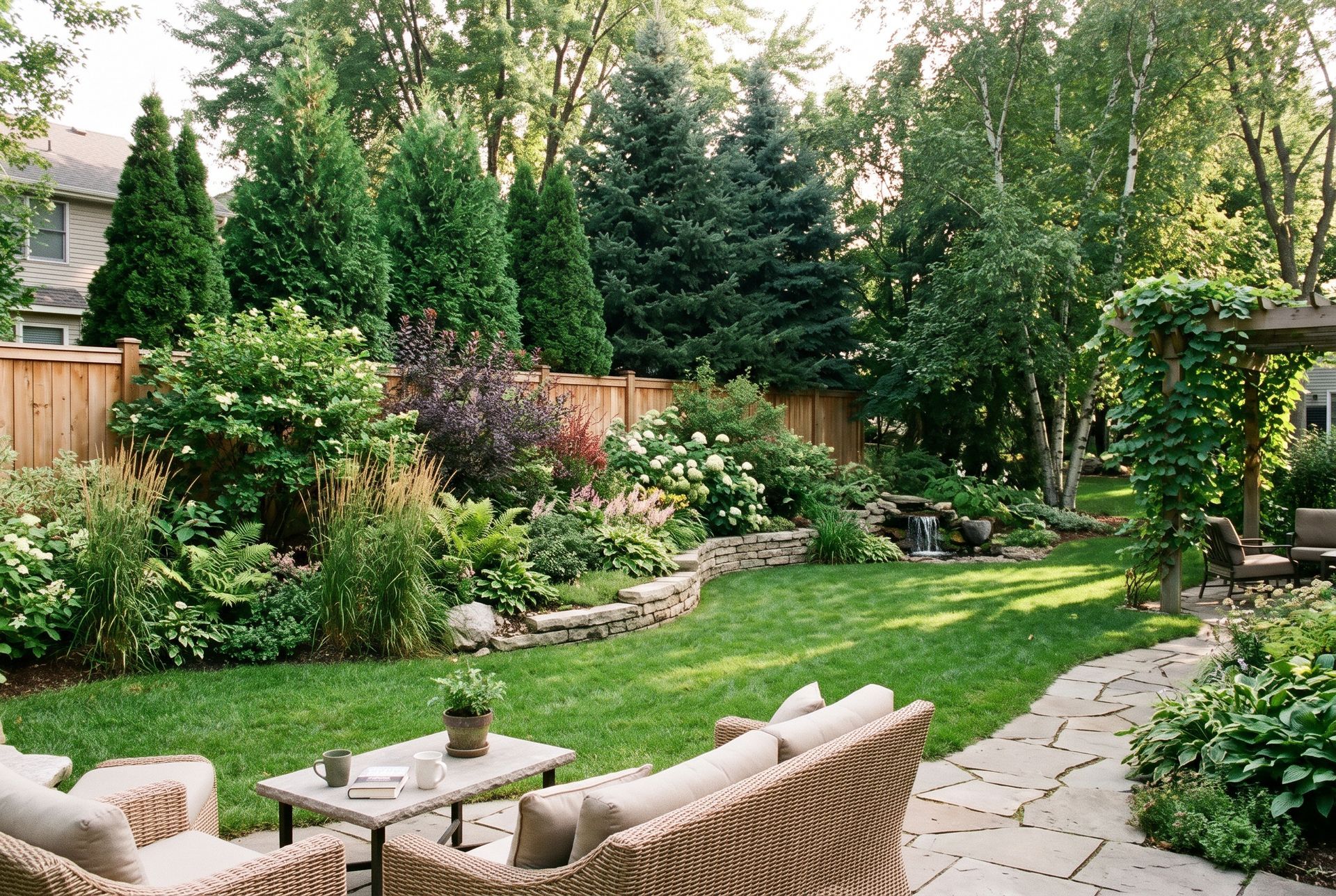
Privacy Landscaping Ideas for Minnesota Homes: Create a Beautiful and Secluded Backyard
Your backyard should feel like a private retreat where you can relax, entertain guests, and enjoy time outdoors without feeling exposed to neighboring properties. Fortunately, creating privacy does not always require installing a traditional fence. With thoughtful landscape design, Minnesota homeowners can use trees, shrubs, ornamental grasses, natural stone, and strategic planting arrangements to create beautiful, functional outdoor spaces.
At Landscape Gal, we specialize in solution-based landscape design for homeowners throughout Northfield, Rice County, and the southern Twin Cities metro area. Our approach combines natural beauty with practical solutions, helping homeowners create outdoor environments that offer privacy, comfort, and lasting appeal.
Whether you want to screen an unattractive view, reduce visibility from neighboring homes, or establish a peaceful garden retreat, professional privacy landscaping can transform your property.
Why Privacy Landscaping Is Important for Minnesota Homeowners
Privacy is one of the most valuable features of a comfortable outdoor living space. As residential neighborhoods develop and properties become more closely situated, homeowners increasingly seek ways to create separation without sacrificing the beauty of their landscapes.
Natural privacy landscaping offers several advantages over traditional fencing.
These benefits include:
- Creating visual separation from neighboring properties
- Enhancing the appearance of outdoor living areas
- Reducing exposure to nearby streets and sidewalks
- Providing natural wind protection
- Creating comfortable spaces for entertaining
- Supporting birds and beneficial wildlife
- Adding seasonal color and texture
- Softening the appearance of buildings and property boundaries
Unlike a solid fence, living privacy screens can blend naturally into the surrounding landscape.
For homeowners in Northfield and nearby communities, carefully selected plants can also provide visual interest throughout Minnesota's changing seasons.
Choosing the Best Privacy Trees for Minnesota
Trees are among the most effective landscaping elements for creating privacy. When properly positioned, they provide height, structure, and screening while enhancing the overall appearance of your property.
However, Minnesota's cold winters and variable soil conditions make plant selection especially important.
Arborvitae for Evergreen Privacy
Arborvitae is a popular choice for residential privacy screens because of its dense evergreen foliage and relatively narrow growth habit.
These trees can create attractive living boundaries around patios, property lines, and outdoor seating areas.
Benefits include:
- Year-round greenery
- Dense foliage for visual screening
- Several varieties suited to different landscape sizes
- A formal, structured appearance
- Compatibility with traditional and contemporary homes
Arborvitae performs best when planted in suitable soil with adequate moisture and spacing.
Some varieties are vulnerable to winter damage and deer browsing, so selecting the right cultivar is important.
Spruce Trees for Year-Round Screening
Spruce trees are another excellent option for Minnesota privacy landscaping.
Their evergreen branches provide consistent screening throughout the year, making them especially useful for larger properties.
Spruce trees can also help reduce exposure to prevailing winds when planted in an appropriate location.
Because many varieties grow quite large, homeowners should consider mature height and width before installation.
Landscape Gal can help incorporate evergreen trees into a design that provides privacy without overcrowding the property.
Serviceberry for Natural Screening
Serviceberry is an attractive option for homeowners who prefer a softer, more natural appearance.
Depending on the species and cultivar, serviceberry can grow as a large shrub or small tree.
It offers several seasonal benefits, including spring flowers, summer fruit, and attractive fall foliage.
Although serviceberry loses its leaves during winter, it works beautifully in layered privacy plantings where year-round screening is not the only priority.
Using Shrubs to Create Natural Privacy Screens
Shrubs are especially useful for creating privacy at eye level.
They can screen patios, decks, windows, and outdoor seating areas without requiring the height or space associated with large trees.
Several shrubs perform well in Minnesota landscapes.
Ninebark
Ninebark is a hardy shrub known for its attractive foliage, interesting bark, and adaptability.
Different cultivars offer foliage colors ranging from green to deep burgundy.
Ninebark works well in informal privacy borders and mixed shrub plantings.
Its natural shape adds texture and depth to outdoor spaces.
Red Twig Dogwood
Red twig dogwood provides attractive foliage during the growing season and colorful stems during winter.
It is particularly useful in landscapes where seasonal interest is important.
This shrub can also work well in areas with consistently moist soil, provided site conditions are appropriate.
Its branching structure creates a natural screen while adding visual character.
Lilacs
Lilacs are a classic choice for Minnesota gardens.
Their fragrant spring flowers and dense branching habit make them attractive additions to privacy landscapes.
Lilacs are especially suitable for homeowners who want a traditional garden appearance.
Because most lilacs are deciduous, they provide their strongest screening during the growing season.
Layered Landscaping: A More Natural Approach to Privacy
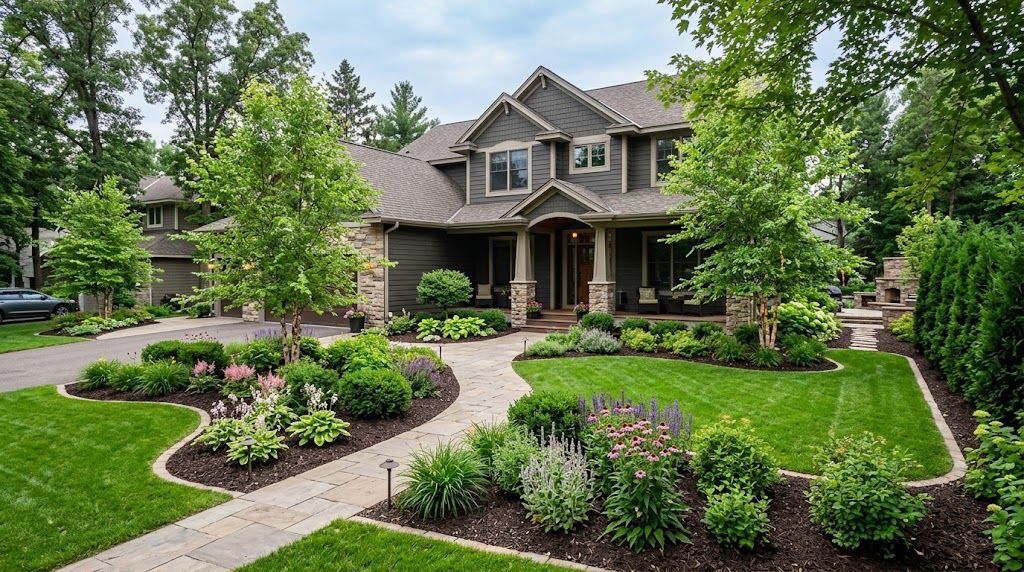
One of the most effective privacy landscaping strategies involves combining plants of different heights.
Instead of installing a single straight row of identical shrubs, layered landscaping uses trees, shrubs, ornamental grasses, and perennials to create a natural-looking screen.
A typical layered privacy design might include tall evergreen trees toward the back, medium-height shrubs in the middle, and flowering perennials along the front.
This arrangement offers several advantages.
First, it creates greater visual depth than a single row of plants.
Second, it provides opportunities for seasonal color and texture.
Third, using multiple plant species can reduce the risk of losing an entire screen to a pest or disease affecting one species.
Finally, layered planting creates a softer transition between the home, garden, and surrounding landscape.
At Landscape Gal, this approach aligns with our solution-based design philosophy. Every plant serves a purpose while contributing to the overall appearance of the property.
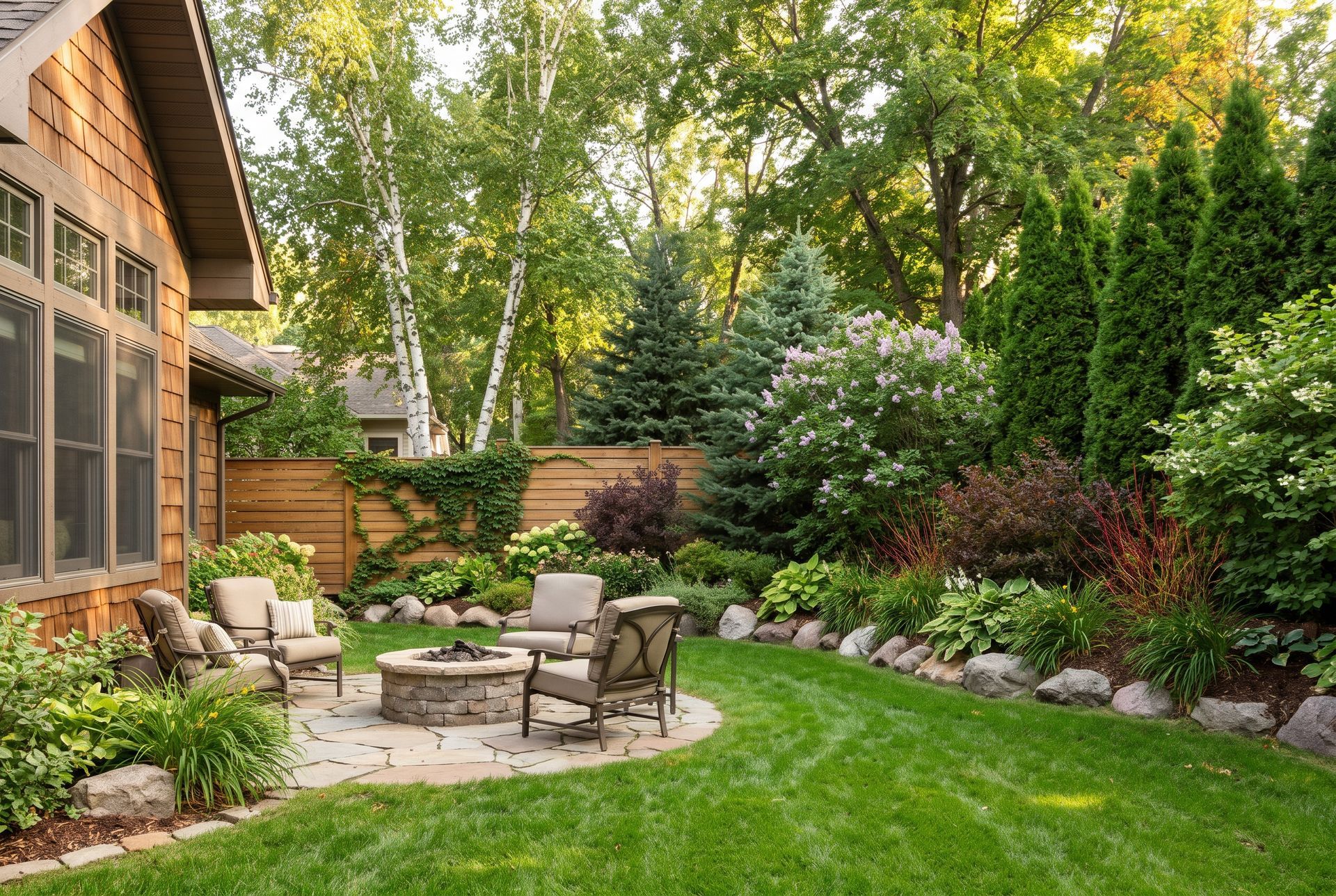
Creating Privacy Around Patios and Outdoor Living Spaces
Patios and outdoor seating areas are among the most common places homeowners want additional privacy.
These spaces often sit close to neighboring properties, making it difficult to relax without feeling visible.
Fortunately, landscaping can create separation without making the space feel enclosed.
Several design approaches work particularly well.
Ornamental Grass Screens
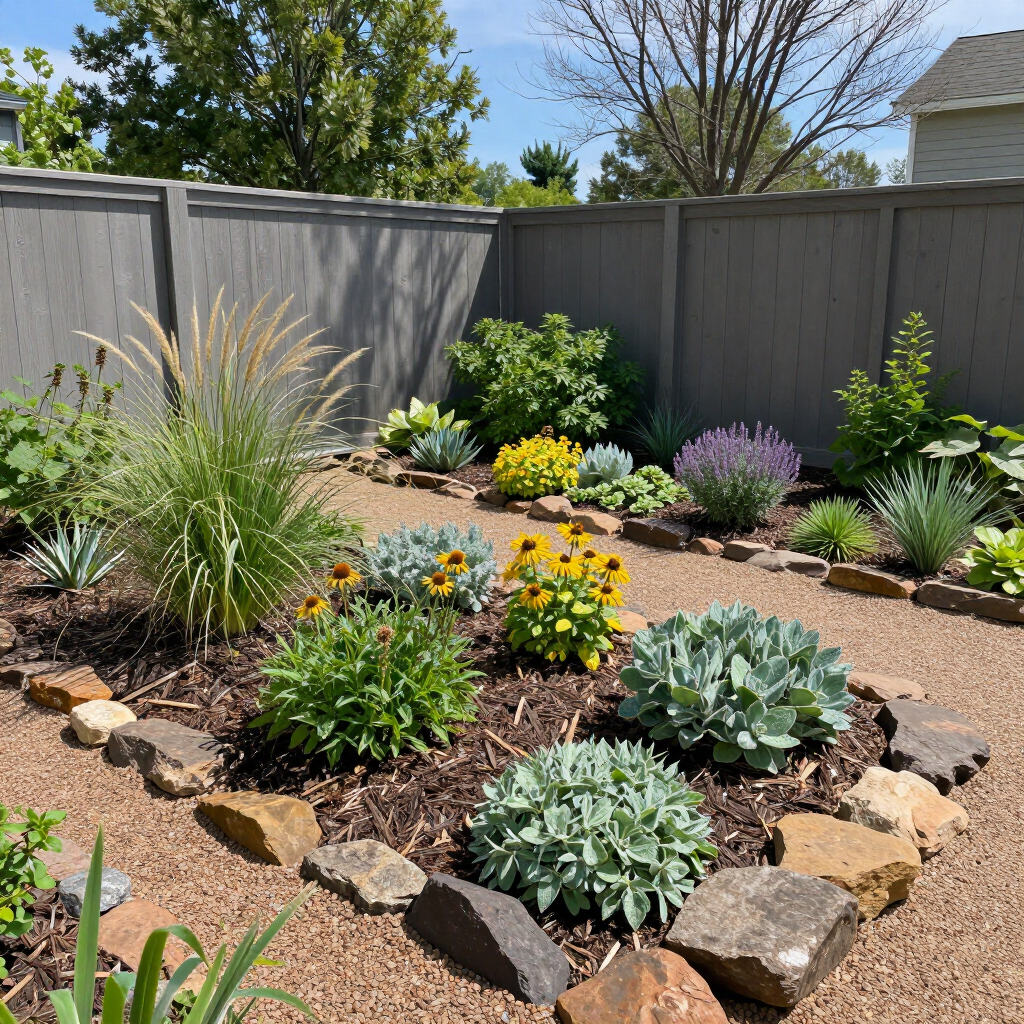
Tall ornamental grasses can provide seasonal screening around patios and seating areas.
Varieties such as switchgrass and certain feather reed grasses offer vertical structure and movement.
Their soft textures complement natural stone patios, paver walkways, and garden beds.
Because most ornamental grasses die back or are cut down seasonally, they are best used where summer and fall privacy is the main goal.
Raised Planting Beds
Raised planting beds can elevate shrubs and ornamental grasses, providing additional screening height.
They also help define outdoor living areas and create visual separation between different parts of the yard.
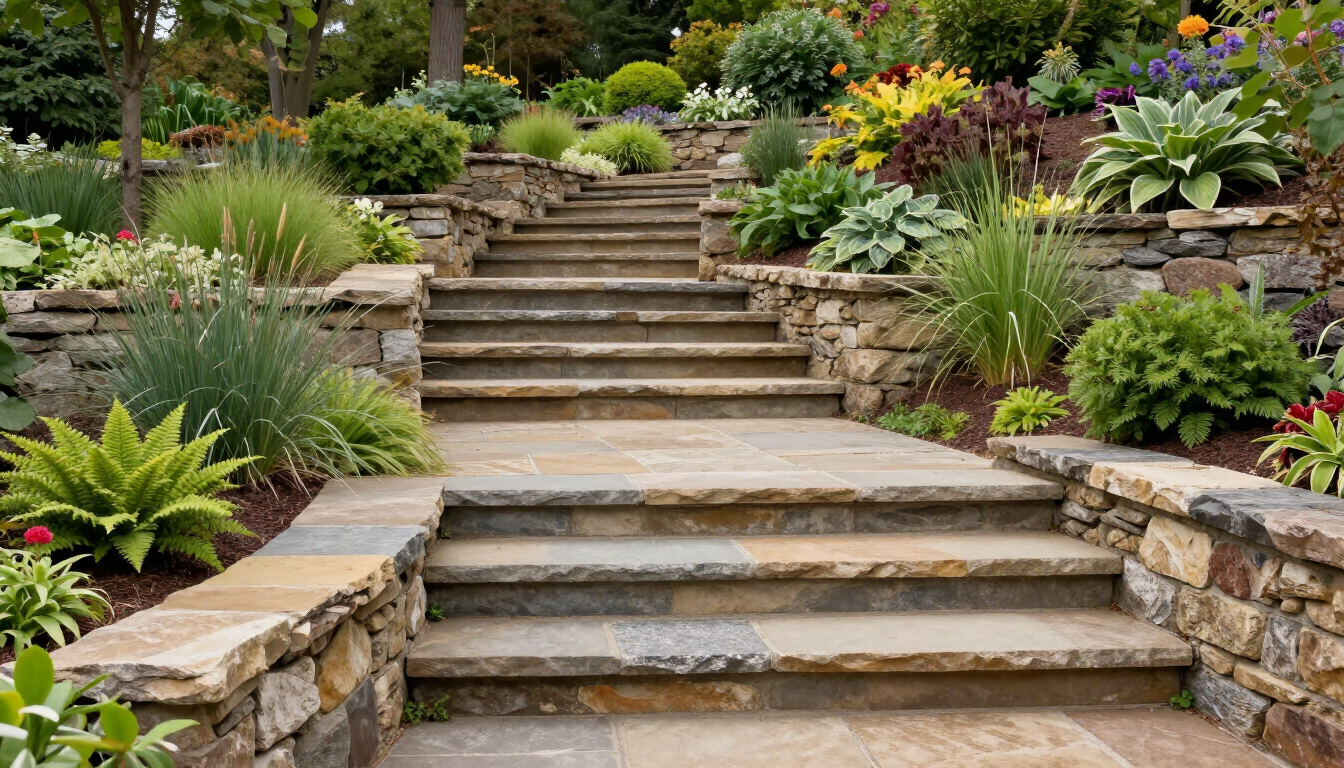
When combined with natural stone or manufactured retaining wall blocks, raised beds become attractive architectural features.
Strategic Boulder Placement
Natural stone boulders can help establish visual boundaries and support layered planting arrangements.
Although boulders alone may not provide complete privacy, they create structure and can help position plantings at different elevations.
This approach is particularly useful for sloped properties in Rice County.
Privacy Landscaping for Small Backyards
Homeowners with smaller properties sometimes assume that privacy landscaping requires too much space.
However, thoughtful design can create effective screening even in compact yards.
The key is choosing plants and materials that provide vertical interest without overwhelming the available area.
Narrow evergreen varieties, compact shrubs, and carefully positioned planting beds can all contribute to privacy.
Rather than surrounding the entire property with dense vegetation, homeowners may achieve better results by screening specific sightlines.
For example, a small group of shrubs positioned beside a patio may block the view from a neighboring window.
Similarly, a strategically placed ornamental tree can soften an unwanted view while preserving sunlight elsewhere in the yard.
This targeted approach often produces a more comfortable and visually balanced landscape.
Combining Privacy Landscaping with Specialty Gardens
Privacy landscaping can also become part of a themed specialty garden.
Instead of treating screening as a separate feature, homeowners can incorporate it into a larger landscape concept.
A Japanese-inspired garden might use carefully arranged evergreens, natural stone, and ornamental grasses to create a peaceful atmosphere.
An English cottage garden could feature flowering shrubs, layered perennials, and winding pathways.
A woodland garden might use shade-tolerant shrubs, ferns, and understory trees to create a secluded retreat.
These approaches provide privacy while giving the outdoor space a distinctive identity.
Landscape Gal offers themed specialty garden design, making it possible to combine privacy needs with a personalized landscape style.
Important Considerations Before Installing Privacy Landscaping
Successful privacy landscaping requires more than choosing attractive plants.
Several practical factors influence long-term results.
Sunlight Requirements
Different plants require different amounts of sunlight.
Evergreens, flowering shrubs, and ornamental grasses must be positioned where they can grow successfully.
A plant that performs well in full sun may struggle in a shaded backyard.
Mature Plant Size
One of the most common landscaping mistakes is planting trees and shrubs too close together.
Although tightly spaced plants may create immediate screening, overcrowding can eventually cause poor airflow, uneven growth, and maintenance problems.
Designing for mature size helps ensure healthier plants and better long-term results.
Soil and Drainage
Minnesota properties can contain clay-heavy soil, compacted areas, or poorly drained locations.
These conditions influence which plants will thrive.
Proper soil preparation and drainage planning are essential for establishing healthy privacy screens.
Property Boundaries
Before planting near a property line, homeowners should confirm boundary locations and consider future maintenance access.
Trees and shrubs may eventually extend beyond their original planting area.
Planning ahead can prevent conflicts and unnecessary pruning.
Winter Conditions
Minnesota winters can be demanding on landscape plants.
Snow accumulation, road salt, wind exposure, and deer browsing may affect certain species.
Selecting hardy plants and positioning them carefully improves long-term performance.
How Long Does It Take to Establish a Privacy Landscape?
The time required to establish a privacy screen depends on the plants selected, their size at installation, and growing conditions.
Larger nursery-grown trees and shrubs may provide partial screening immediately.
Smaller plants generally require several growing seasons to fill in.
Fast-growing species can provide quicker results, but rapid growth is not always desirable. Some require more pruning, have weaker branching, or become too large for residential spaces.
A well-designed privacy landscape balances immediate appearance with long-term plant health.
For homeowners seeking faster screening, combining larger plants with smaller supporting plantings may be a practical solution.
Maintaining Your Privacy Landscape
Natural privacy screens require some maintenance, especially during establishment.
Newly installed trees and shrubs need consistent watering until their root systems become established.
Mulching helps conserve soil moisture and reduce weed competition.
Periodic pruning may also be necessary to maintain healthy growth and the desired shape.
Homeowners should inspect evergreen plants for winter damage and monitor shrubs for signs of disease or pest activity.
Proper spacing and plant selection can significantly reduce future maintenance demands.
The goal is not to eliminate maintenance entirely but to create a landscape that remains manageable as it matures.
Frequently Asked Questions About Privacy Landscaping in Minnesota
What are the best plants for backyard privacy in Minnesota?
Arborvitae, spruce, ninebark, lilacs, and certain dogwood varieties are useful options. The best choice depends on available space, sunlight, soil conditions, and whether year-round screening is needed.
How can I make my backyard private without installing a fence?
Trees, shrubs, ornamental grasses, raised planting beds, and layered gardens can create natural visual barriers. Strategic placement often provides effective screening without enclosing the entire yard.
What is the fastest way to create natural backyard privacy?
Installing appropriately sized, mature nursery plants can provide more immediate screening. However, plant selection should account for mature growth, root development, and long-term maintenance.
Can privacy landscaping work in a small yard?
Yes. Compact shrubs, narrow evergreen varieties, and targeted planting arrangements can screen specific views while preserving usable outdoor space.
Is privacy landscaping expensive?
Costs depend on the number and size of plants, site preparation, soil improvements, grading requirements, and additional hardscape features. A professional design can help prioritize the most effective improvements within your budget.
Why Choose Landscape Gal for Privacy Landscape Design?
Landscape Gal understands that every property presents different challenges.
A backyard may need screening from neighboring windows, protection from an unattractive view, or a more comfortable setting for outdoor entertaining.
Our solution-based design philosophy focuses on addressing these needs while creating beautiful, cohesive landscapes.
Based in rural Northfield, Landscape Gal serves homeowners throughout Rice County and the southern half of the Twin Cities metro area.
Led by Dee Larson, our team offers a variety of landscape design and installation services, including privacy plantings, specialty gardens, retaining walls, natural stone features, patios, walkways, and outdoor living spaces.
By considering the entire property rather than individual features in isolation, we help homeowners create landscapes that feel intentional, welcoming, and functional.
Create a More Private and Beautiful Backyard with Landscape Gal
Your backyard should be a place where you feel comfortable spending time outdoors.
Whether you want to screen neighboring properties, create a secluded patio, or transform your yard into a peaceful garden retreat, professional privacy landscaping can make a meaningful difference.
Landscape Gal can help you explore creative solutions that complement your home, accommodate Minnesota's climate, and support your long-term landscaping goals.
Contact Landscape Gal to discuss your property and begin planning a customized privacy landscape.
Landscape Gal
3343 Union Lake Trl Northfield, MN 55057
Phone: (612) 366-3477
Email: dee@landscapegal.com
Website: https://www.landscapegal.com/
Business Hours: Monday through Friday, 7:30 AM to 5:30 PM
Proudly serving Northfield, Rice County, and the southern Twin Cities metro area.
Recent Posts