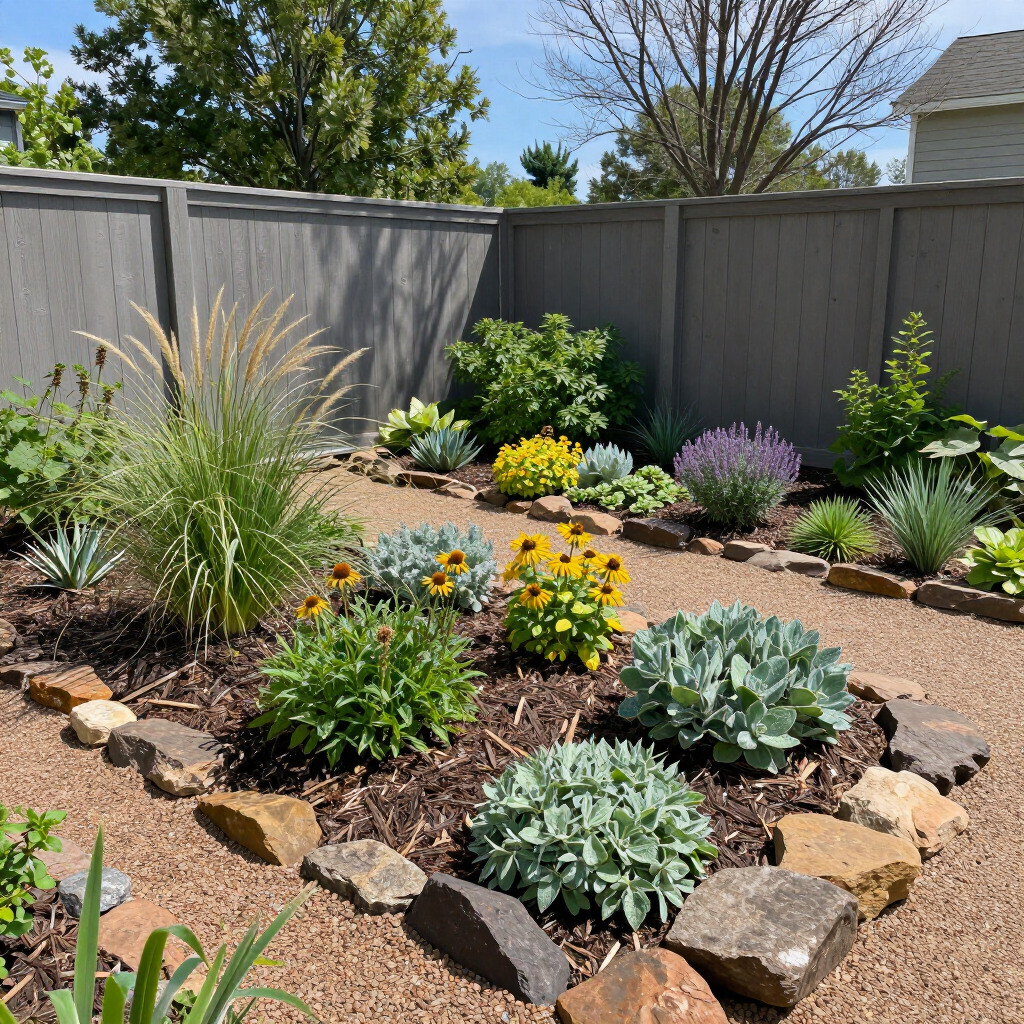
The Benefits of Professional Mulching for Minnesota Landscapes
Why Professional Mulching Is Essential for Minnesota Landscapes
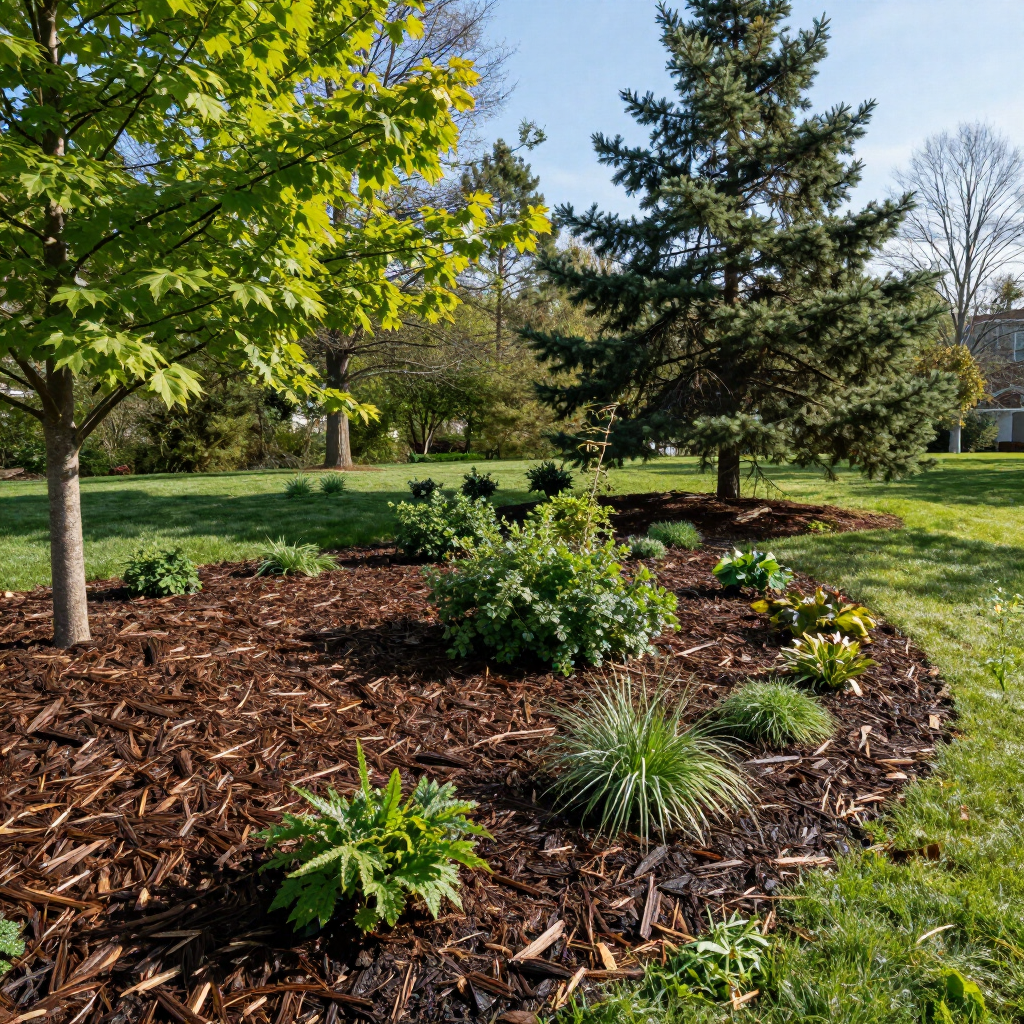
Mulching is one of the simplest yet most effective ways to improve the health, appearance, and longevity of your landscape. In Minnesota’s challenging climate, where extreme temperatures and seasonal fluctuations can impact soil and plant vitality, professional mulching plays a vital role in maintaining beautiful and functional outdoor spaces. Whether you are refreshing your garden beds, protecting plant roots, or enhancing curb appeal, mulch provides both practical and aesthetic advantages.
At Landscape Gal, we offer expert mulching services throughout Northfield, Rice County, and the southern Twin Cities metro area. Our solution-based approach ensures that every landscape benefits from the right materials, proper installation, and long-term sustainability. Understanding the benefits of professional mulching can help you protect your investment while creating a polished and low-maintenance outdoor environment.
Understanding Mulch and Its Purpose
Mulch is a protective layer of organic or inorganic material applied to the surface of the soil. It serves multiple functions, from conserving moisture and suppressing weeds to regulating temperature and enriching soil health. While often viewed as a finishing touch, mulch is an essential component of professional landscape design.
There are two primary types of mulch: organic and inorganic. Organic mulches decompose over time, improving soil structure and fertility. Inorganic mulches, on the other hand, provide long-lasting coverage and decorative appeal with minimal maintenance.
The Benefits of Mulching in Minnesota
Minnesota’s climate presents unique challenges for homeowners and landscapers alike. Cold winters, hot summers, heavy rainfall, and freeze-thaw cycles can stress plants and erode soil. Mulch helps mitigate these effects by creating a protective barrier that supports plant health and stabilizes the landscape.
Key benefits include:
Moisture Retention
Mulch reduces evaporation by insulating the soil, helping plants retain essential moisture. This is especially valuable during Minnesota’s warm summer months when watering demands increase.
Weed Suppression
A thick layer of mulch blocks sunlight from reaching weed seeds, preventing germination and reducing competition for nutrients and water.
Temperature Regulation
Mulch acts as a natural insulator, keeping soil cooler in the summer and warmer in the winter. This protection is crucial for safeguarding plant roots from extreme temperature fluctuations.
Soil Enrichment
As organic mulch decomposes, it releases nutrients that enhance soil fertility and promote healthy plant growth.
Erosion Control
Mulch stabilizes soil during heavy rains and snowmelt, reducing runoff and preserving landscape integrity.
Improved Drainage
By preventing soil compaction and enhancing structure, mulch supports proper drainage and reduces the risk of water pooling.
Enhanced Curb Appeal
Fresh mulch provides a clean, polished appearance that highlights plants and architectural features, instantly elevating your property’s aesthetic.
Increased Property Value
Well-maintained landscaping contributes to higher property value and leaves a lasting impression on visitors and potential buyers.
Types of Mulch for Minnesota Landscapes
Choosing the right type of mulch is essential for achieving both functional and visual goals. Landscape Gal helps homeowners select materials that complement their properties while thriving in Minnesota’s environment.
Shredded Hardwood Mulch
A popular choice for its natural appearance and durability, shredded hardwood mulch decomposes slowly and resists erosion.
Bark Mulch
Derived from tree bark, this mulch provides a rich, attractive finish and works well in garden beds and around trees.
Cedar Mulch
Known for its pleasant aroma and insect-repelling properties, cedar mulch is both practical and visually appealing.
Pine Bark Mulch
Lightweight and decorative, pine bark mulch enhances soil structure and adds warmth to landscape designs.
Compost Mulch
This nutrient-rich option improves soil health and is ideal for vegetable gardens and flower beds.
Dyed Mulch
Available in colors such as black, brown, and red, dyed mulch offers a bold, modern appearance while maintaining the benefits of organic material.
Decorative Rock and Stone
Though not organic, decorative rock is a long-lasting alternative that requires minimal upkeep and complements xeriscape designs.
When to Mulch in Minnesota
Timing plays a critical role in maximizing the benefits of mulch. In Minnesota, the ideal times for mulching are spring and fall.
Spring Mulching
Spring is the most popular season for mulch installation. Applying mulch after the soil warms helps retain moisture, suppress weeds, and prepare planting beds for the growing season.
Fall Mulching
Fall mulching protects plant roots from harsh winter temperatures. It also prevents soil erosion and improves conditions for healthy spring growth.
Refreshing mulch annually ensures continued effectiveness and maintains a polished landscape appearance.
The Importance of Professional Mulch Installation
While mulching may appear straightforward, improper application can lead to problems such as root rot, pest infestations, and poor drainage. Professional installation ensures the correct depth, material selection, and placement for optimal results.
Benefits of hiring Landscape Gal include:
- Proper soil preparation and weed removal
- Even distribution for consistent coverage
- Appropriate mulch depth, typically two to three inches
- Avoidance of mulch piled against plant stems or tree trunks
- Expert recommendations tailored to Minnesota’s climate
- Efficient and clean installation
Our experienced team ensures that every mulching project enhances both plant health and visual appeal.
Common Mulching Mistakes to Avoid
Avoiding common errors is essential for maintaining a healthy landscape.
Over-Mulching
Excessive mulch can suffocate roots and prevent water from reaching the soil. A depth of two to three inches is ideal for most applications.
Volcano Mulching
Piling mulch against tree trunks can lead to decay and pest problems. Mulch should be spread evenly around the base, leaving space near the trunk.
Using the Wrong Material
Selecting inappropriate mulch can hinder plant growth or clash with your landscape design.
Neglecting Weed Barriers
Proper site preparation is essential to prevent weed growth beneath the mulch layer.
Failing to Refresh Mulch
Over time, mulch decomposes and loses effectiveness. Regular replenishment maintains both function and appearance.
Mulching Around Trees and Shrubs
Proper mulching techniques protect trees and shrubs while promoting healthy growth. A wide mulch ring around trees helps retain moisture, regulate soil temperature, and prevent damage from lawn equipment.
Best practices include:
- Creating a mulch ring two to four feet wide
- Maintaining a depth of two to three inches
- Keeping mulch several inches away from the trunk
- Using organic mulch to enrich soil over time
These techniques ensure long-term plant vitality and reduce maintenance requirements.
Enhancing Landscape Design with Mulch
Mulch is not only functional but also an essential design element. It provides contrast, defines spaces, and highlights plantings and hardscapes.
Landscape Gal incorporates mulch to:
- Frame flower beds and pathways
- Enhance visual cohesion
- Complement natural stone and paver features
- Improve transitions between landscape elements
- Highlight specialty gardens and focal points
With the right color and texture, mulch elevates the overall aesthetic of any property.
Environmental Benefits of Mulching
Mulching contributes to sustainable landscaping practices that benefit both homeowners and the environment.
Environmental advantages include:
- Reduced water consumption
- Improved soil health and fertility
- Decreased reliance on chemical herbicides
- Prevention of soil erosion
- Support for beneficial microorganisms
- Enhanced carbon sequestration through organic decomposition
These eco-friendly benefits align with modern sustainability goals and responsible landscape management.
Frequently Asked Questions
How often should mulch be replaced?
Most organic mulches should be refreshed annually or every one to two years, depending on decomposition rates.
What is the ideal depth for mulch?
A depth of two to three inches is recommended for most landscape beds.
Does mulch attract pests?
Properly installed mulch does not attract pests. Cedar mulch, in particular, can help repel insects.
Is dyed mulch safe for plants?
Yes, when sourced from reputable suppliers. High-quality dyed mulch is safe and widely used in professional landscaping.
Can mulch improve soil quality?
Organic mulch decomposes over time, enriching the soil with valuable nutrients.
When is the best time to mulch in Minnesota?
Spring and fall are ideal for mulch installation to protect plants and improve soil conditions.
Why Homeowners Choose Landscape Gal
Landscape Gal is dedicated to delivering exceptional landscaping services tailored to Minnesota’s unique environment. Our expertise in design, installation, and maintenance ensures that every project enhances both beauty and functionality.
Our services include:
- Professional mulching and garden bed maintenance
- Landscape design and installation
- Drainage and grading solutions
- Retaining walls and natural stone features
- Patios, walkways, and outdoor living spaces
- Specialty gardens and seasonal color enhancements
We take pride in creating landscapes that are both sustainable and visually stunning.
Refresh Your Landscape with Professional Mulching
Professional mulching is one of the most effective ways to protect your landscape, improve soil health, and enhance curb appeal. With expert installation and high-quality materials, Landscape Gal helps homeowners achieve lasting beauty and performance throughout every season.
Landscape Gal
3343 Union Lake Trl
Northfield, MN 55057
Phone:
(612) 366-3477
Email:
dee@landscapegal.com
Website:
https://www.landscapegal.com
Serving Northfield, Rice County, and the southern Twin Cities metro area.
Recent Posts